
first-time homeowners

Things First-time Homeowners Need to Learn

Becoming a first-time homeowner is an exciting and significant milestone in life. It represents a major step toward financial independence and stability. However, owning a home also comes with a host of responsibilities and challenges that many new homeowners may not be fully prepared for.

In this comprehensive guide, we will explore the essential things that first-time homeowners need to learn to navigate the world of homeownership successfully.

Understanding Your Mortgage

One of the most significant financial commitments you’ll make as a homeowner is your mortgage. Take the time to understand the terms of your mortgage, including interest rates, monthly payments, and the length of your loan. Additionally, explore options for refinancing and learn how it can benefit you over time.

Budgeting for Homeownership

Owning a home involves more than just paying the mortgage. You’ll also need to budget for property taxes, homeowner’s insurance, utilities, maintenance, and repairs. Creating a detailed budget that accounts for these expenses is essential to avoid financial strain.

Home Maintenance and Repairs

Home maintenance is an ongoing responsibility for homeowners. Learn the basics of home maintenance, including HVAC system care, plumbing, electrical, and structural upkeep. Additionally, set aside a budget for unexpected repairs, as they can arise at any time.

property insurance

Property Insurance

Homeowner’s insurance is crucial for protecting your investment. Understand the coverage you have, what it includes, and whether you need additional policies for specific risks like floods or earthquakes. Regularly review and update your insurance as needed.

Property Taxes

Property taxes are a significant part of homeownership costs. Familiarize yourself with your local tax regulations, payment deadlines, and any potential deductions or exemptions for which you may qualify.

Home Security

Protecting your home and your family is a top priority. Invest in a reliable security system, consider reinforcing entry points, and practice safety measures such as installing smoke detectors and fire extinguishers.

Energy Efficiency

Energy-efficient upgrades can save you money in the long run. Learn about energy-saving measures like installing programmable thermostats, sealing drafts, and upgrading to energy-efficient appliances and lighting.

Landscaping and Curb Appeal

Caring for your property’s exterior is not only aesthetically pleasing but also contributes to your home’s value. Learn about landscaping, gardening, and regular lawn maintenance.

Homeownership Associations (HOAs)

If your home is part of an HOA, familiarize yourself with their rules, regulations, and fees. Understand your rights and responsibilities as a member of the homeowners association.

Title Insurance

Title insurance is financial protection that protects you and the lender against potential legal issues or disputes related to the property’s ownership history. When purchasing a property, a title search is conducted to ensure there are no outstanding claims, liens, or discrepancies in the property’s title. Title insurance is then purchased to protect against any unforeseen defects or challenges that may arise after the purchase.

Emergency Preparedness

Being prepared for emergencies is essential. Create an emergency kit, know the location of essential utilities shut-offs, and have a plan in case of natural disasters or other crises.

Home Improvement Projects

Whether it’s renovating a room, updating the kitchen, or adding a deck, home improvement projects are a common part of homeownership. Learn the basics of DIY projects and know when to hire professionals.

neighbor relations

Neighbor Relations

Building positive relationships with your neighbors can enhance your living experience. Be respectful, considerate, and engage with your community to create a harmonious environment.

Resale Value and Equity

Consider the long-term impact of your homeownership decisions on the resale value of your property and your equity. Smart investments in your home can increase its value over time.

Legal Obligations and Homeownership Laws

Understand your legal obligations as a homeowner, including local zoning laws, property lines, and any restrictions that may apply to your property. Consult with legal experts if necessary.

Home Inspections and Appraisals

When buying a home, thorough inspections and accurate appraisals are crucial. Learn about the importance of these processes and how they can affect your purchase decision.

Conclusion

Becoming a first-time homeowner is a significant life achievement, but it comes with a host of responsibilities and a learning curve. By taking the time to educate yourself on the topics mentioned above, you can navigate the world of homeownership with confidence and make informed decisions that will benefit you and your property in the long run.

Owning a home is not just about bricks and mortar; it’s about creating a secure and comfortable space for you and your loved ones, and with the right knowledge, you can make the most of your homeownership experience.

Pros and Cons of a Homeowners Association

Pros and Cons of a Homeowners Association

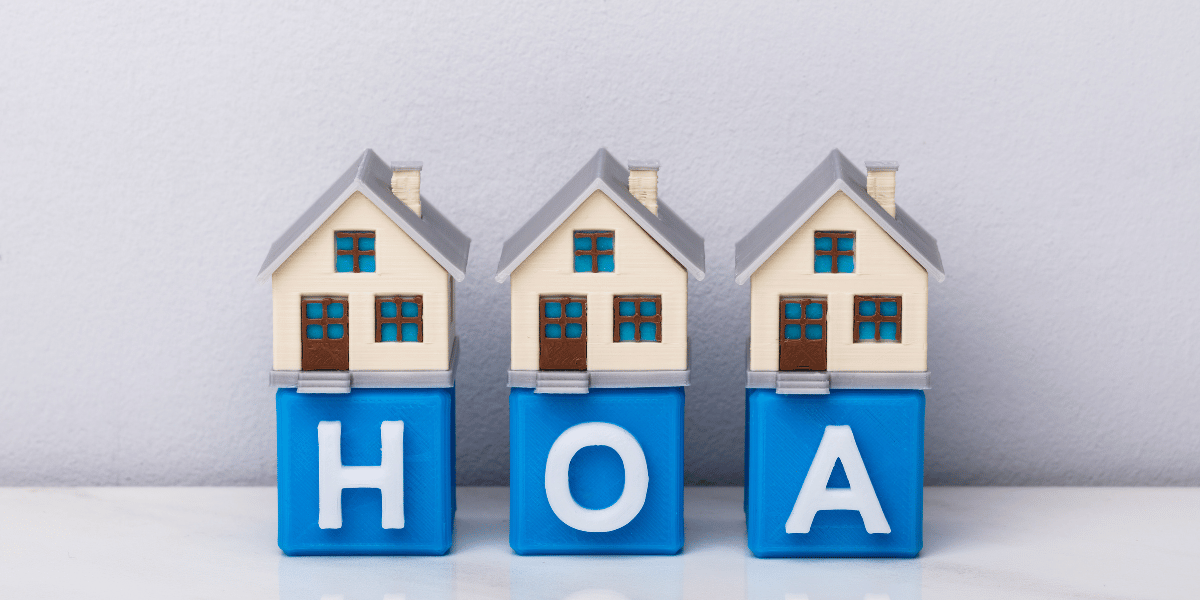
Homeowners Associations (HOAs) are a great way to ensure your community is well maintained and cared for, but they can also come with some drawbacks. HOAs are designed to maintain and enhance the quality of life for homeowners within a specific area. 

By creating and enforcing community standards, as well as providing amenities such as recreational facilities, HOAs can be beneficial to homeowners, and many of the best subdivisions have them. On the other hand, there are some potential downsides to consider, such as extra fees, restrictions on what owners can do with their property, and limited control over the HOA board. 

Whether your primary residence or a second home In this article, we will explore the pros and cons of Homeowners Associations and help you decide if a neighborhood with an HOA is right for you.

Overview of Homeowners Associations (HOAs)

Homeowners associations, commonly referred to as HOAs, are organizations that set and enforce rules for residents and properties within a community. In addition, the HOA is responsible for maintaining and managing common areas, and any other properties shared by residents. They can be found in certain subdivisions, planned communities, and multi-unit condominium buildings. 

When a buyer invests in a property in an HOA’s jurisdiction, the property owner automatically becomes a member of that association and is required to pay dues, known as HOA fees. They are also agreeing to follow any and all rules that HOA has set forth for the community. Certain HOAs allow their residents a fair amount of freedom when it comes to what they can do with their homes, whereas some are far more restrictive. 

Pros and cons of a Homeowners Association

The Pros of an HOA

The HOA manages the commons areas

Living in a community that has an HOA offers the benefit of having the management of the common areas. This could include landscaping, the pool area and barbecue areas.

These spaces can be used and enjoyed without having to worry about upkeep. HOAs may also take care of the landscaping front to each unit. However, many times homeowners are still responsible for the landscaping in their backyard.

The HOA may maintain the exterior of the home

HOAs may also take care of the exterior of the homes in the area. This can include power washing the exterior of homes and maintaining their roofs and fences.

You could save thousands of dollars if you buy a property in an HOA community. However, there are limitations on what the HOA can do regarding your property. 

Repairs within your home’s walls are usually your responsibility. Depending on the association, you might be responsible for  the maintenance of your windows and doors.

The HOA mediates problems between neighbors

If there are problems between neighbors, a homeowner’s association can help. If you see another resident violating any rule or regulation, the association can be a mediator. 

Instead of arguing with your neighbor and risking tension, contact your homeowner’s association. They will contact your neighbor and attempt to resolve any issues.

Cons of the Homeowner’s Association

There are monthly fees

In order to pay for the maintenance to common areas and properties, an HOA collects monthly or annual fees. The fees can vary significantly depending on which amenities are available to homeowners. It is not uncommon for HOA fees to reach $1,000 monthly in luxury communities.

It’s important to remember that HOA fees are not set in stone and can change over time for a number of reasons. The costs of maintaining the property may change, or new amenities may be added over time, which can cause an increase in the fees the association will need to collect.

Not paying your fees can have massive repercussions 

Paying your HOA fees is vital. You could be at risk of foreclosure if you default on HOA fees. Even if the state you live in doesn’t permit foreclosures in these situations, the amount you owe to HOA fees will continue to grow and may accrue interest until they are paid.

It is crucial that all residents of the community pay their fees. Insufficient funds can be generated if the HOA fails to collect enough money from the residents. The community may have to fire its property manager and suffer a decline in appearance and condition. This could have a negative effect on property value.

Rules and regulations are required by the HOA

HOA fees may seem minor, especially if you can afford them. Even if you are okay with the HOA fees, it is important to understand that they have rules regarding the appearance of your home. 

The HOA can decide everything from what color shutters and front doors can be painted, to what type of windows and front doors you can have. The association may also place restrictions on exterior decor or limit the number of vehicles that you can park in the neighborhood. A fine could be issued for violating the rules and regulations of the community.

Helpful tips

Check out the Governing Documents

Although it may seem tedious, it is important to review the HOA’s bylaws and amendments, covenants/rules/regulations, as well as articles of incorporation. Particular attention should be paid to specific items, such as paint colors, architectural approval, landscaping rules and rental property restrictions.

Check out the financials

To review the financials of a HOA, you don’t need to be an accountant. To ensure that the HOA is financially sound, you can request the most recent financial statements. Reserve funds are money that is used to repair large-ticket items such as sidewalks and other common areas. A HOA should have a reserve fund that is sufficient to cover unexpected repairs.

Get an itemized list of dues

You should be aware of how HOA fees are allocated if you plan to pay one. Is garbage collection included? What about snow removal? Will funds be allocated to neighborhood parties? You should always know where your money is going. To see if there has been a significant increase in dues, look closely at the past few years. Although HOAs tend to increase their dues by a percentage every year, it is important to know the trends for your specific association.

Conclusion

It’s important to do your research when thinking about moving to any new community. Now that you know some of the pros and cons of HOAs, you can decide for yourself whether the benefits outweigh the drawbacks and make the best decision for you and your family.

8 Tips to Cut Your Costs at Home

8 Tips to Cut Your Costs at Home

When you’re working hard to make ends meet, every dollar counts. It can seem impossible to cut costs without cutting back on essentials like food or clothing. However, there are plenty of small ways to save money and stretch your budget further in the long-term. 

Whether you are buying your first home or buying a second home, with a little thought and planning, it is possible to bring down your monthly expenses at home. Even if you feel like you have no excess spending capacity, there are ways that you can reduce your cost of living on a day-to-day basis. 

From small changes such as switching your cell phone provider to switching grocery stores, these 8 tips will help cut costs at home – without having any negative impact on your lifestyle!

Change your phone provider

The average American family spends nearly $25 a month on their cell phone provider. That’s more than many people pay for their electricity bill! Switching to an alternative cell phone provider could save you hundreds every year. 

If you have family members who use your service, even better – you can save even more. Keep an eye out for deals and offers from your existing provider – if you’re using lots of data, you may be able to get a better deal. It’s also worth considering the long-term costs of different cell phone providers. 

Some providers charge a hefty termination fee if you want to switch away from them. By shopping around and comparing providers, you can find a better deal and save yourself hundreds of dollars in the long run.

grow your own food

Grow your own food

You might be surprised by how much a garden can save you. Although the upfront costs of installing a garden and purchasing supplies can be expensive, they are a great investment. You can expect to pay around $10 per person per month to grow your own vegetables. 

Once you’ve got everything set up, growing your own produce is actually pretty cheap! Plus, there’s nothing tastier than food that you’ve grown yourself. Vegetables like tomatoes and zucchini have a very low cost per serving, so growing your own can really help to reduce the cost of your grocery bill. 

Growing your own produce will help you to save money in other ways, too – less time spent in grocery stores and fewer products used to grow your food means reduced carbon emissions and a healthier environment!

save money by insulating your home

Insulation can make a huge difference in terms of reducing your energy bills over time. If you’re renting or own a home that has been around for a while, it’s likely that it’s not properly insulated. This is likely to be the case in many older houses. 

Although you can’t do much about a house’s age, you can save money by insulating your home to reduce your energy costs. 

You can also use insulation to reduce the noise in your home, saving you from a lot of headaches! Insulation is not just for homeowners; renters can also benefit from it. You may be able to claim a grant from the government to help pay for it.

Switch to a grocery store with an aisle diet

When you’re on a tight budget, it can be tempting to fall back on your old eating habits. However, one of the easiest ways to cut your grocery bill is by switching to a different store. If you are currently shopping at a more expensive store, you could be spending as much as $100 more each month. 

This might not seem like a significant amount, but over the course of a year, it can really add up! By switching to a cheaper grocery store, you can save hundreds every year. By switching your store, you can also choose to switch the foods that you buy. 

Rather than buying items such as fresh fruits and vegetables that are expensive but healthy, you can buy cheaper, less healthy foods at a cheaper store. By choosing cheaper, but still healthy foods, you can bring down your grocery expenses further.

Lock in your prices on household essentials

Some household items, such as cleaning products, toilet paper, and paper towels, are generally sold at a mark-up. There’s no reason to buy these items at full price. Instead, buy these items in bulk when they are on sale. 

You can also try buying your cleaning supplies in bulk. This can save you a lot of money, as these items are generally marked up. By buying them in bulk, you can reduce the amount that you spend each month. It can also be a good idea to buy certain items when they’re on sale. 

While it may not be realistic to buy everything at a reduced price, it is a good idea to stock up on certain household items when they’re reduced.

Repurpose items you already own

Many people buy new items when they break, but in many cases, these items can be fixed. Repurposing items you already own is a great way to reduce the amount you spend on things like clothing or even cleaning products. 

You may not be able to repair everything, but many items can be fixed easily, saving you money. However, it can be a good idea to check with a repairman first, just to make sure you’re not wasting your money if it’s not worth fixing. Many people don’t repurpose items because they don’t know how. 

Fortunately, there are lots of online communities where people share their skills and knowledge. Joining one of these communities can help you to learn new skills and save money on the things you need.

Shop in bulk and buy in season

It’s a well-known tip, but it’s also one of the most effective ways to reduce the cost of your grocery expenses. If you are able to purchase items in bulk, you’ll be able to reduce the cost per unit of these items – and save yourself money! 

You can also save money by purchasing produce when it’s in season. Produce is often cheaper, as it is planted and grown in different areas seasonally. It’s also delicious! Buying items in season allows you to get the same product for a reduced cost – it just happens to be more delicious, too. 

These examples are just a few of the ways that you can save money by purchasing items in bulk or during their season. There are many more ways to save money in this way, so it’s worth experimenting and seeing what works for you!

install solar panels

Install solar panels and other energy-efficient devices

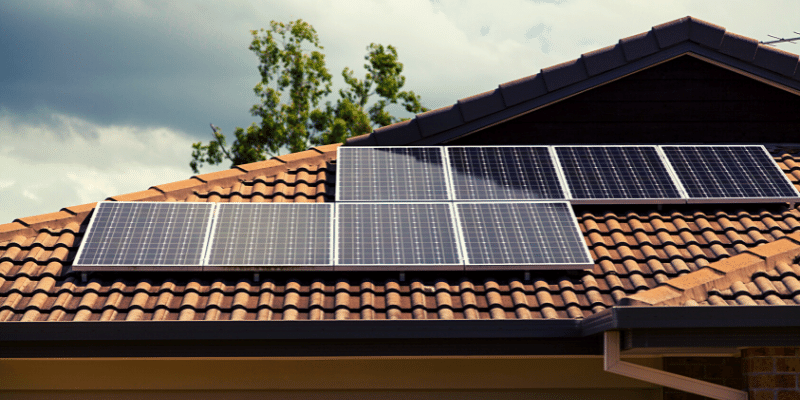
Although the upfront costs of installing solar panels can be high, they can actually save you money over time. If you live in an area where solar power is viable, it can be a great investment. You can expect to recoup your costs within a decade, and solar panels can last for up to 30 years, meaning they will continue to save you money long after they are paid off. 

Other energy-efficient devices, such as LED lights and water heaters, can also save you money. You can also reduce your energy costs by making sure you switch off your lights and electronic devices when you are not using them. Reducing your bills in this way is a great way to save money.

Conclusion

These 8 tips will help you cut costs at home without sacrificing your quality of life. From switching your phone provider to repurposing items you already own, these tips will save you hundreds of dollars each year. 

By making a few small changes, you can reduce your household expenses and create a more affordable way of life.